Avoid wilted bouquets: temperature tips for Paddington summers
Posted on 01/06/2026
Summer in Paddington can be lovely, but it can also be a bit ruthless on fresh flowers. One hot train platform, a sunny windowsill, or a quick dash across town in midday heat is often enough to take the edge off a beautiful bouquet. If you have ever watched perfectly good blooms droop before the afternoon is out, you are not alone. The good news is that a few simple temperature habits can make a real difference.
This guide explains how to avoid wilted bouquets in Paddington summers with practical, realistic advice for homes, offices, events, and last-minute gifts. You will learn what temperatures matter most, how to handle flowers the moment they arrive, which storage mistakes shorten vase life, and when a local florist-style delivery approach is the smarter choice. If you want more help beyond temperature control, you can also browse the site's flower care advice, or choose a fresher starting point with best flower delivery in Paddington W2.
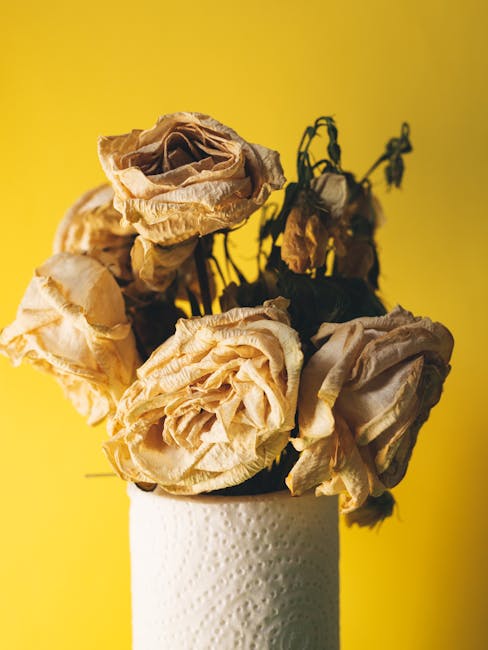
Why avoiding wilted bouquets matters in Paddington summers
Temperature is one of the biggest factors in whether a bouquet stays perky or gives up early. In warmer weather, flowers lose water faster, stems soften more quickly, and delicate petals can bruise or curl if they sit in heat for too long. That is true at home, but it becomes even more noticeable in Paddington, where people often move between warm indoors, bright shopfronts, bus stops, offices, and transport links in a matter of minutes.
The problem is not just aesthetic. A wilted bouquet can look tired even when the flowers are still technically alive. For gifts, that is awkward. For events, it is disappointing. For sympathy flowers, weddings, or birthdays, it can feel genuinely upsetting. Nobody wants to hand over something that already looks stressed. Let's face it, flowers are supposed to bring the room to life, not look like they need a nap.
Heat also changes how flowers behave after delivery. A bouquet that would usually last several days can start showing signs of fatigue if it has been left in a hot porch, a sunny kitchen, a parked car, or near a radiator. Even a short wait matters. That is why local buyers often prefer to time deliveries carefully through Paddington flower delivery or choose same-day flower delivery when the bouquet needs to arrive fresh and bright, not warmed through by the day.
There is also a commercial side to this. If you are sending flowers for a birthday, an anniversary, a funeral, or a corporate reception, freshness affects the whole experience. A neat, cool bouquet says care and attention. A drooping one says the opposite, even if the sentiment was lovely. That contrast is exactly why temperature tips deserve more than a passing mention.
How avoiding wilted bouquets works
At a basic level, flower freshness depends on moisture balance. Blooms need water moving up the stem and into the petals, while also losing only a manageable amount through evaporation. Warm air speeds up that loss. Direct sun can do it even faster. So can enclosed spaces with poor airflow. Think of a bouquet as a living, lightly engineered thing: if the environment pushes water out more quickly than the stems can supply it, the flowers slump.
Temperature is not the only variable, but it is the one people can control most easily. In general, cooler conditions slow down respiration in the flowers, which helps them stay fresher for longer. They are still living material, not ornaments. That means the room they are in, the journey they take, and how quickly they are re-cut and rehydrated all matter.
Transport is a big one. A bouquet can move from a cool preparation area into a warm van, then into a brightly lit hallway, then onto a dining table. Each shift adds stress. If the flowers are waiting on a doorstep or sitting in a car boot, the problem compounds. For that reason, many people choose reliable local delivery services and careful handover options, including next-day flower delivery when timing is flexible or flowers by post when they want a tracked, simpler send-and-receive process.
There is a practical rhythm to it: keep the flowers cool, reduce exposure to heat, refresh the water, and avoid putting the bouquet somewhere that feels pleasant to you but hostile to blooms. A sunny windowsill may be ideal for your morning tea. It is not ideal for roses. That one is on the roses, really.
Key benefits and practical advantages
Good temperature management sounds simple, and it is, but the payoff is bigger than most people expect. If you get it right, you usually get better vase life, better presentation, and fewer awkward moments when a bouquet arrives looking less than its best.
- Longer vase life: Flowers hold their shape and colour for more days when they are not overheated.
- Better first impression: A cool, fresh bouquet looks more luxurious and thoughtful.
- Less waste: You avoid throwing away flowers that could have lasted longer with a bit of care.
- Better event presentation: Wedding tables, reception desks, and gift arrangements stay camera-ready for longer.
- Less stress for the recipient: No scrambling to revive a bouquet that arrived already drooping.
There is also a subtle but important practical advantage: once you start thinking about temperature, you naturally become better at timing delivery and choosing flower types. That means more informed buying decisions. A bouquet of sturdy carnations or alstroemeria will often tolerate warmer conditions better than very delicate stems. If you are planning a summer event, the same thinking can guide you toward more resilient options like summer flowers or a vase arrangement that gets water immediately.
Expert summary: In summer, freshness is usually won or lost before the flowers even reach the vase. Control heat on the journey, cool the display space, and rehydrate promptly. That simple chain of actions does most of the heavy lifting.
If you are weighing value as well as freshness, you do not need to assume that the coolest option is always the most expensive. There are sensible choices across budgets, including cheap flowers in Paddington W2 and giftable stems in the GBP40-50 range. Freshness is more about handling than price, though premium arrangements can give you more flexibility on style and stem quality.
Who this is for and when it makes sense
This advice is for anyone sending, receiving, displaying, or planning bouquets during warm Paddington weather. That includes people ordering a birthday bunch at lunch time, couples arranging wedding flowers, offices setting up a meeting room, families sending sympathy flowers, and anyone who has ever brought flowers home from a local shop and thought, "Right, where do I put these now?"
It makes particular sense when:
- you are expecting a warm day and want flowers to arrive in the best condition possible;
- the bouquet will spend time in a flat, office, hallway, or reception area before being displayed;
- you need flowers for an event where presentation matters all day;
- you are sending blooms to someone who may not be home immediately;
- you want reliable freshness for a gift with emotional value.
For special occasions, temperature care is not just "nice to have". It is part of the gift. A summer birthday bouquet from the birthday flowers collection or a romantic mix from the romance and love range should feel generous and well timed, not like it was defeated by the weather before it reached the front door.
Some people also use these tips as a kind of insurance. If a bouquet is expensive, seasonal, or emotionally loaded, they want the highest chance of success. Fair enough. Nobody wants to test fate with peonies on a hot afternoon.
Step-by-step guidance
If you want a simple system rather than a pile of vague advice, use this approach. It is straightforward, but it works.
- Choose the right delivery window. Early day delivery is usually kinder to flowers than a late-afternoon journey in peak heat. If the bouquet is urgent, a local option like same-day flower delivery can still work well if the routing is efficient and the recipient can take the flowers in quickly.
- Keep the bouquet shaded in transit. Do not leave it on a car seat in direct sun or in a hot waiting room.
- Unwrap promptly on arrival. Remove packaging that traps heat, but be gentle with delicate heads and any protective water source.
- Re-cut the stems. A fresh cut improves water uptake. Use a clean, sharp tool and trim a little off the bottom at an angle.
- Use a clean vase with cool water. Not icy, just cool. Avoid warm water unless a florist has given a specific instruction for a particular variety.
- Place the bouquet away from heat sources. That means no windowsills with strong sun, no radiators, no ovens, and no top of the fridge if it warms up there.
- Refresh water regularly. In hot weather, daily water changes are often worth the effort.
- Check stems and leaves each day. Remove any leaves sitting below the waterline, and lift out fading stems before they affect the rest.
A small but useful detail: if the bouquet includes mixed flowers, some stems may drink faster than others. That means one or two blooms may fatigue first. It does not automatically mean the whole arrangement is failing. This is where a little patience helps. A bouquet is not a machine, after all.
For special gifts, adding a card or pairing flowers with another item can help the bouquet feel more considered even if the weather is a bit unpredictable. Browse options like flowers and chocolate or balloons and flowers if you want the overall gesture to carry more weight than the vase alone.
Expert tips for better results
Once you have the basics sorted, these are the little refinements that make a noticeable difference.
- Cool the room, not the flowers. Air conditioning is helpful if it is gentle. Strong direct airflow can dry petals, so aim for a stable, moderate room temperature rather than blasting cold air straight at the bouquet.
- Avoid warm corners. Interior ledges and enclosed hallways can heat up more than you think, especially in older Paddington buildings.
- Choose sturdier stems for summer sending. Flowers such as carnations, chrysanthemums, germini, alstroemeria, and some roses tend to travel more reliably than ultra-delicate varieties.
- Go vase-ready when possible. Arrangements that arrive in a vase can reduce handling and buy you time before the stems dry out.
- Mind the journey home. If you are collecting flowers yourself, go straight home rather than running errands with the bouquet in the car.
For people planning something more formal, like a wedding or event, temperature control should be part of the floral brief. Consider more robust designs from the wedding flowers range, or use smaller focal pieces instead of sprawling, fragile displays. A slightly tighter bouquet often survives a summer room far better than a loose one with exposed petals everywhere. It is less dramatic, but honestly, drama and August heat are not great friends.
If you are choosing a style rather than a stem-by-stem design, it can help to work from the intended setting. A cool lounge, an airy dining room, and a sunlit reception desk are three different environments. Matching the bouquet to the room is a small bit of planning that pays off.

Common mistakes to avoid
A lot of wilted flowers are not "bad flowers" at all. They are simply caught in a few very avoidable traps.
- Leaving bouquets in hot cars: Even short stops can be enough to soften petals and stress stems.
- Putting flowers on sunny windowsills: Lovely for photos, poor for vase life.
- Forgetting to top up water: In hot weather, water levels can fall faster than you expect.
- Using a dirty vase: This encourages bacteria, which shortens freshness.
- Ignoring packaging: Some protective wrapping traps heat; flowers need breathing room once they arrive.
- Buying too early for a hot-day event: If the arrangement will sit out all day, schedule delivery as late as practical.
Another common one: people assume all flower types behave the same. They do not. A sturdy bouquet from the best sellers or florist choice range may cope well with a warm room, while a more delicate combination may need faster rehydration and a cooler display spot. That difference matters, especially for gifts intended to last.
And just to say it plainly, if the bouquet starts to look sad within an hour, the room is probably too warm rather than the flowers being "past it". People blame the stems first. Usually the thermostat is the culprit.
Tools, resources and recommendations
You do not need a trolley full of specialist kit. A few ordinary household items are enough.
| Tool or item | Why it helps | Best use |
|---|---|---|
| Clean vase | Reduces bacteria and keeps water fresher | Every bouquet, especially in summer |
| Sharp scissors or floral snips | Helps create a clean stem cut for better water uptake | Re-cutting stems on arrival |
| Cool, fresh water | Supports hydration without shocking the flowers | Initial vase fill and daily refresh |
| Shaded indoor spot | Limits heat stress and slows wilting | Living rooms, hallways, workspaces |
| Reliable delivery window | Reduces time spent in warm transit | Gift orders, events, office deliveries |
On the recommendation side, start with flowers that suit summer handling rather than forcing a delicate design into a hot environment. Browse the broader all flowers range if you want to compare styles, or lean into sturdier seasonal options like summer and baskets and posies, which often travel and display well.
For particularly meaningful gifts, you might prefer a vase arrangement, since that shortens the time between delivery and hydration. If the recipient is busy, a ready-to-display design such as flowers in a vase can be a smart move. Less faff, fewer wilt points. Everyone wins.
Law, compliance, standards, and best practice
For most readers, this topic is practical rather than legal. There is no special summer-flower law to memorise. Still, there are sensible UK best-practice expectations worth following, especially if you are ordering on behalf of a business, a venue, or a public-facing setting.
First, if flowers are being delivered to a commercial premises, make sure reception or facilities teams know roughly when they are arriving. A bouquet left in a lobby because nobody expected it can warm up fast. Second, if you are ordering for an event, build in a little slack so the flowers are not delivered much earlier than needed. Timing is part of quality control.
Third, when buying from any florist, you should expect clear terms around payment, delivery, returns, and complaints. Those are ordinary consumer expectations rather than special floral regulation, but they matter. If you need to check practical details, the site's terms and conditions, returns and refund policy, delivery information, and guarantees pages are the right place to start.
For organisations, there is also reputational best practice. If you are sending flowers for clients, offices, or staff, freshness reflects on your business. A good delivery process, fair handling, and accessible ordering all matter. If your team needs recurring floral support, a corporate account can help keep the process consistent and a bit less last-minute.
And because trust matters, especially online, it is worth using a florist that is transparent about care, delivery, privacy, sustainability, and service expectations. That is just sensible. No one wants mystery flowers with mystery rules.
Options, methods, and comparison table
Not every flower-sending method is equal when the weather turns warm. Here is a simple comparison to help you choose the best approach for Paddington summers.
| Method | Freshness control | Best for | Watch out for |
|---|---|---|---|
| Same-day local delivery | High, if recipient is available | Urgent gifts, time-sensitive occasions | Heat exposure if left waiting after arrival |
| Next-day delivery | High, with better planning | Planned birthdays, anniversaries, office surprises | Less suitable if you need exact same-day timing |
| Flowers by post | Moderate to high, depending on packaging and timing | Sending to someone at home, longer lead times | Recipient may need to unpack and hydrate promptly |
| Collection from a shop | Depends on the journey home | Personal handover, custom selection | Car heat and delays on the way back |
If you are comparing delivery methods, a local service can be the easiest way to reduce heat exposure in the first place. Start with flower shops in Paddington if you want to explore local options, or use send flowers in Paddington W2 when you need a direct gifting route. For extra reassurance, some buyers prefer a broader service like best flower delivery in Paddington W2, especially for summer orders where presentation really matters.
Case study or real-world example
Picture a fairly ordinary Paddington Friday in July. The morning is fine, then the temperature climbs, the Tube feels warm, and by lunch the office windows are pulling in more heat than anyone asked for. A customer sends a mixed bouquet to a colleague for a retirement send-off. It arrives in good condition, but the recipient is caught in meetings and does not open it straight away. By the time the bouquet is moved to a vase, the petals have started to soften at the edges.
Now compare that with a better-handled version of the same order. The flowers are delivered close to the handover time, the recipient is told in advance, the stems are trimmed immediately, and the bouquet goes into cool water in a shaded meeting room rather than sitting in a sunny reception. Same city, same flowers, same weather. Very different outcome.
That is the point of temperature control: it often does not require special equipment, only better timing and a bit of common sense. In our experience, the bouquets that last are not always the fanciest. They are the ones that were treated as living things from the moment they left the shop. That matters more than people think.
For the retirement example above, a softer mixed design such as mixed colours or a composed gift like any occasion can work well if the delivery is coordinated properly. If the occasion is less formal and you want something cheerful, colourful delight or joyful sunrise can give you that summer brightness without needing a complicated setup.
Practical checklist
Use this before and after delivery to keep bouquets fresher through a Paddington summer.
- Choose a delivery time that avoids the hottest part of the day where possible.
- Tell the recipient to bring the bouquet inside quickly.
- Keep the flowers out of direct sunlight and away from radiators or ovens.
- Use a clean vase and cool water as soon as the bouquet arrives.
- Trim the stems slightly before arranging them.
- Remove any leaves below the waterline.
- Refresh the water regularly, especially in warm rooms.
- Check the display area for heat traps like sunny sills or stuffy corners.
- Prefer sturdy stems if you expect warmer handling conditions.
- For urgent gifts, choose a reliable delivery option rather than leaving flowers waiting around.
Quick take: cool delivery, fast hydration, shaded display. That's the trio.
Conclusion
Keeping bouquets fresh during Paddington summers is mostly about respecting temperature from start to finish. The flowers do not need perfection; they need a sensible route from delivery to vase, and a place to rest that is not fighting the heat. Once you get that right, the difference is obvious. Petals stay brighter, stems stand taller, and the whole gift feels more generous.
Whether you are sending a birthday bouquet, planning wedding flowers, or just trying to stop a lovely gesture from wilting before tea-time, the same basics apply: keep it cool, keep it shaded, and get it into water quickly. Simple, yes. But that is often what works best.
If you are choosing flowers for a warm-weather delivery, browse the full range, compare sturdier seasonal designs, and pick the option that matches your timing as well as your taste. A little planning now saves a lot of disappointment later, and honestly, that is the kind of small win people remember.
Get a free quote today and see how much you can save.
And if all you do after reading this is move the vase off the sunny windowsill, that alone may save the bouquet. Sometimes that is enough.
Frequently Asked Questions
What temperature is best for fresh flowers in a home during summer?
A cool, stable room is best. You do not need a cold environment, just one that avoids direct sun, heat blasts, and warm stagnant corners. If the room feels comfortable to you but not hot, the flowers are usually happier there too.
Why do bouquets wilt so quickly in Paddington summers?
Because heat speeds up water loss and shortens vase life. In a busy London setting, bouquets may also spend time in transport, hallways, or offices before they reach water, which adds to the stress. A few small delays can really show up in warm weather.
Should I put flowers in the fridge to stop them wilting?
Only if you know the flowers are suitable and the fridge conditions are sensible. For most households, a cool room is safer and easier. Avoid putting them near fruit or very cold air vents, because that can cause damage or dehydration. Bit of a faff, to be fair.
Are vase arrangements better than hand-tied bouquets in hot weather?
Often yes, because they get water sooner and need less handling. That said, a hand-tied bouquet can still last well if it is unpacked quickly, re-cut, and placed in a clean vase without delay.
Which flower types are usually more summer-friendly?
Sturdier flowers such as carnations, chrysanthemums, germini, alstroemeria, and many roses tend to handle warmth better than very delicate stems. That does not mean delicate flowers are a bad idea, just that they need a little more care.
How fast should I get flowers into water after delivery?
As quickly as possible. The less time flowers spend out of water in warm air, the better. If the recipient is out, it is worth arranging a handover time so the bouquet can be unpacked promptly.
Can I leave flowers in a car for a short time?
It is best not to. Even a short time in a warm parked car can overheat flowers far more than people expect. If you must transport them, keep the car cool and avoid direct sun on the bouquet.
What is the biggest mistake people make with summer bouquets?
Leaving them somewhere bright and warm because it looks nice. Sunny windowsills are the classic culprit. They photograph well, but they are not kind to petals.
Do flowers by post survive hot weather well?
They can, provided the packaging is good and the recipient opens them quickly on arrival. The key is minimising time in heat after delivery and hydrating them straight away.
How can I make a bouquet last longer if I am sending it for an event?
Choose a reliable delivery window, pick sturdier stems where appropriate, keep the display shaded, and use fresh water immediately. For events, timing matters nearly as much as the bouquet itself.
Is same-day delivery a good idea in summer?
Yes, when the flowers need to arrive fresh and quickly. Same-day delivery can reduce the amount of time the bouquet spends in transit or waiting around, which is especially useful in warmer weather.
What if my bouquet has already started to droop?
Act fast. Re-cut the stems, remove any damaged leaves, use clean cool water, and move the bouquet to a shaded spot. You may not reverse every sign of heat stress, but you can often improve the arrangement noticeably.
Are there any policies I should check before ordering flowers online?
Yes. It is sensible to look at delivery details, returns, guarantees, and payment information before placing an order. Clear service terms help set realistic expectations, especially if the bouquet is for a time-sensitive occasion.